¡Hola Antonio! / Hi Tony!

     The first thing you are going to learn is how to greet people in Spanish. Los españoles (Spaniards) have different ways of greeting depending on the time of day:

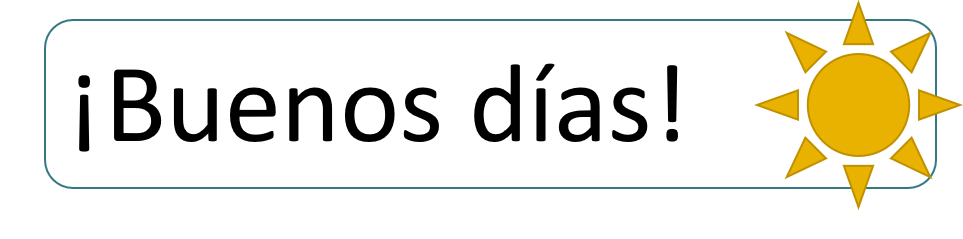
Por la mañana (in the morning)

     Buenos días:  From the time we wake up until we have lunch, which in Spain is approximately at 2.30 PM (I know, it’s too late for you!) 😅

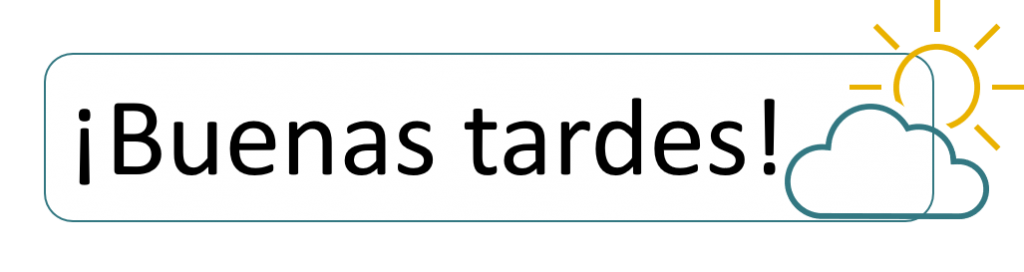
Por la tarde (in the afternoon)

     Buenas tardes:  From lunch to dinner, at approximately 9:00 PM.

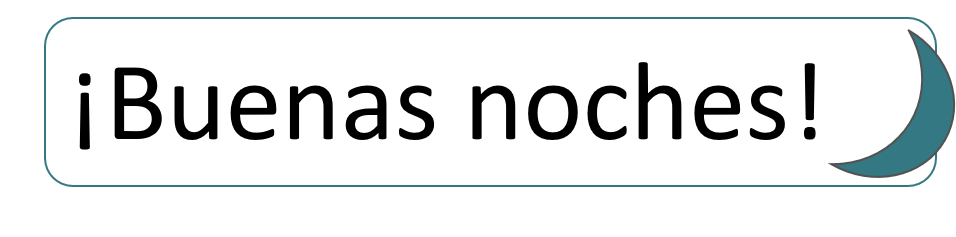
Por la noche (at night)

     Buenas noches:  From dinner until we go to sleep.

Listen here the greetings
      

¡ATENCIÓN!
You will also hear a lot of people saying only Buenas, as a complete greeting to you. Saying that is like just say “hello”, so you can just start saying that, no matter what time of day it is.

     You will use these saludos (greetings) when you cross a person on the street, or your neighbour in the elevator. But, what if you meet a neighbour or a closer person with the obligation to exchange a slightly longer and more affectionate saludo? This is the normal saludo for these cases:

  • Hola Antonio, Buenos días ¿Qué tal? ¿Cómo estás?

     Hello Antonio, Good morning. How are you?

  • Muy bien, gracias, ¿y tú?

     Very well thank you, and you?

  • Muy bien también, ¡hasta luego!

     Very well too, see you later!

  • Adiós

     Good bye


     See? Simple, right? Let me tell you another personal and embarrassing story:

   You should know that in Andalusia we greet each other by giving two kisses on the cheeks. This is like that even if it is the first time you are introduced to someone and you don’t know him or her well (except if you are in the professional field, where we usually greet each other with a handshake). Handshake is also normal between two men, or a hug if you know him well. 

     But be careful that what happened to me the first time I went to France doesn’t happen to you. There you also greet each other with two kisses but, while in Spain we start giving the first kiss by joining the right cheeks, in France they start by joining the left ones.

     So imagine, when I was first introduced to a French man and went to give him two kisses, we both “attacked” on the same side and ended up kissing each other on the lips! What a shame I went through!

     In the introduction to “the Plan”, we have mentioned the importance of writing in order to learn a language. Here we will begin to put it into effect.

     Take your cuaderno (notebook) and copy this conversation of saludos en español two or three times. Trust me, this will boost your learning ability.

Despedirse / Farewell

     To say goodbye we use many different expressions. Adiós  is the most common. It is easy if you remember that it means “a = to” and “Dios = God”, “to God”, which is a summary version of “I entrust you to God“.  Curious, uh?

     “Hasta luego” is also very common. It is difficult to translate it. In English, “see you later” is used, but in Spanish we use the word hasta, which literally means “until”, it is like saying: “I will not see you more until later”.

     But there are several combinations:

  • Adiós:  Goodbye
  • Hasta luego:  See you later
  • Hasta pronto:  See you soon
  • Hasta mañana:  See you tomorrow
  • Chao:  From Italian “Ciao”
      

Tip
     Many times in Andalusia you will hear “venga” or “ea” before these expressions, in example venga, hasta luego or ea, adiós.
     It is veeeery common. “Venga” means literally “come on” or “let’s go” and could be understood like “we have to go, see you”. “Ea” has no translation, as it is only an expression.
     Try to farewell that way to an Andalusian, he / she will laugh directly! BUT don't think they are laughing at you, they are laughing because we love it and we love people who try to speak in Andaluz!
     You could hear back “¡Qué arte!” or “¡Qué aje!”, which literally means “What art!”, and could be translated as “You are an artist!”.
     And another very common farewell in Andalusia is this: “Ten / Tened cuidadito”, which literally means “take care”.
     Cuidadito comes from the word “cuidado”, which is “to care”, but with the suffix “–ito”, which makes the diminutive in Spanish.

     OK, now it’s time to do los ejercicios about los saludos.

     In these ejercicios, you just have to drag and drop the correct answers on each picture.

     Click and hold the mouse button and place the text on top of the image, and then release the button to place the text. Or, if you’re using your mobile phone, just tap and hold the box and release in the correct place. Understood? OK, go, go, go!!

     In the next ejercicio, you will hear different saludos. You must drag and drop the numbers next to the correct answer, understanding that the number 1 is the first greeting of the audio, the number 2 is the second, etc. 

     Don’t worry if it is too fast for you. 😅 I know! It is the first week! 🙇‍♀️ But you can pause the audio to complete the excersise as many times as you need, and of course, you can hear the audio as many times as you need, so take it easy. Good luck!


     Note that, in the following exercise, you have 2 buttons: The first one is for hearing the word at normal speed, and the second one for slow motion, so that you can write the words easily. 

     When you complete all the words, press the “check” button to know your score. You can retry as much as you want until all the words are right. Now go for it! Good luck!

¡SPELLING!
Check this box out! It will help you to complete the writing exercises easily. You will find this box just before every writing exercise, so that you can copy and paste the characters with the accent marks more easily.
á - é - í - ó - ú - ü - ñ

     ¿Has hecho los ejercicios?  Have you done the exercises? Perfecto, ahora (now) you can start interacting con los andaluces (with the Andalusians). 

     You are amazing, you know that? Great, let’s continue!

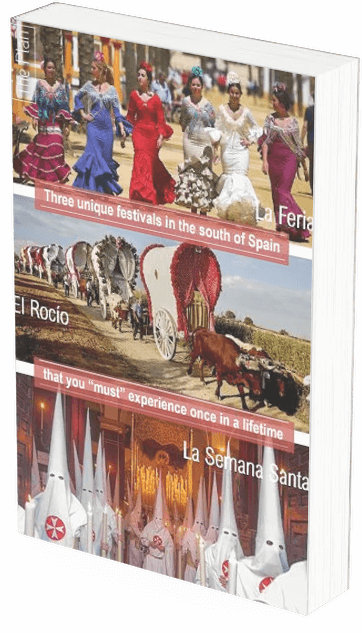
But before, don’t forget to download our e-book about the 3 most amazing festivals you cannot miss in Andalusia. Just click on the image beside and get it.